
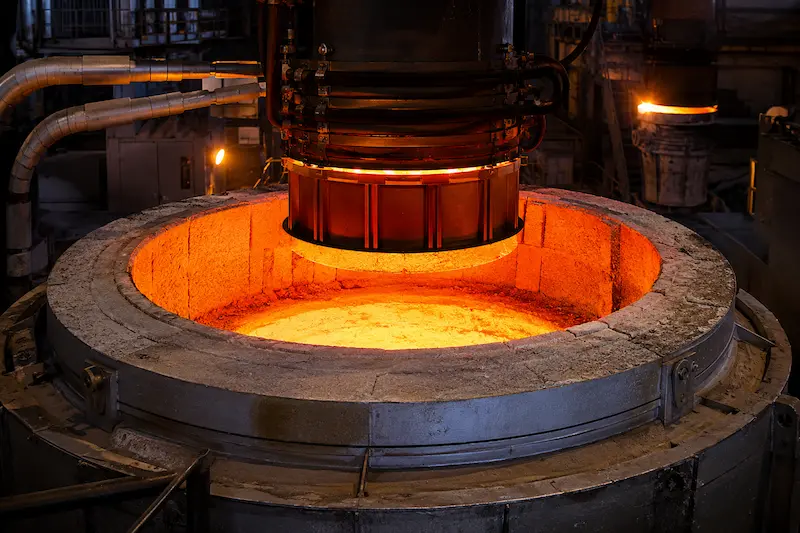
Refractory for Induction Furnaces: How to Choose the Best Refractory for Longer Furnace Life
Induction furnaces have become one of the most widely used melting systems in the steelmaking, foundry, non-ferrous metal, and metal recycling industries. Their high efficiency, precise temperature control, and clean operation make them the preferred choice for modern industrial plants.
However, the overall performance of an induction furnace depends heavily on one critical component—the refractory lining. Selecting the right Refractory for Induction Furnaces directly affects furnace life, production efficiency, energy consumption, maintenance frequency, and operating costs.
Choosing an unsuitable refractory material can result in premature lining failure, excessive downtime, heat loss, molten metal leakage, and expensive repairs. On the other hand, selecting the appropriate refractory solution significantly improves productivity while reducing long-term operational costs.
In this comprehensive guide, we explain the different types of refractory materials used in induction furnaces, their functions, selection criteria, and practical recommendations for maximizing furnace life.
Why Is Choosing the Right Refractory for Induction Furnaces So Important?
Induction furnaces typically operate at temperatures exceeding 1,600°C. During continuous production, the refractory lining is exposed to severe thermal cycling, molten metal, slag attack, mechanical abrasion, and chemical corrosion.
A high-quality refractory lining protects the furnace shell while maintaining thermal efficiency throughout the melting process.
An inadequate refractory selection may lead to:
- Premature lining failure
- Increased maintenance costs
- Higher electricity consumption
- Unexpected production shutdowns
- Reduced molten metal quality
- Safety hazards caused by lining cracks
- Shorter furnace campaign life
For these reasons, refractory selection should always be based on technical requirements rather than purchase price alone.
What Is Refractory for Induction Furnaces?
Refractory for Induction Furnaces refers to specialized high-temperature materials installed as the internal lining of induction furnaces. These materials protect the furnace structure while resisting extreme temperatures, thermal shock, molten metal, and aggressive slags.
Depending on the melting application, refractory products may contain different chemical compositions, including:
- High Alumina
- Silica
- Magnesia
- Spinel
- Alumina-Magnesia mixtures
The proper composition depends on the metal being melted, furnace capacity, slag chemistry, and production cycle.
Main Functions of Induction Furnace Refractories
Heat Resistance
The refractory lining must withstand continuous exposure to extremely high temperatures without melting, deforming, or losing mechanical strength.
Thermal Insulation
A properly designed refractory lining minimizes heat loss through the furnace wall, reducing electricity consumption and improving melting efficiency.
Mechanical Protection
The refractory acts as a protective barrier between molten metal and the furnace coil, preventing structural damage and extending equipment life.
Chemical Resistance
Molten steel and slag continuously attack furnace linings. Premium refractory materials resist chemical penetration and minimize erosion.
Thermal Shock Resistance
Frequent heating and cooling cycles generate thermal stress. High-quality refractories maintain structural integrity despite rapid temperature fluctuations.
Types of Refractory for Induction Furnaces
Several refractory products are available for induction furnace applications. The correct choice depends on process conditions and operating requirements.
Dry Ramming Mass
Dry Ramming Mass is the most common refractory solution for coreless induction furnaces. After installation and sintering, it forms a dense monolithic lining with excellent resistance to thermal shock and slag attack.
Advantages- Excellent thermal shock resistance
- Long service life
- Low maintenance requirements
- Fast installation
- Ideal for steel and iron melting
Castable Refractory
Castable Refractory is widely used in furnace components requiring complex shapes. It is mixed with water and poured into molds before curing.
Advantages- Joint-free lining
- Excellent structural integrity
- Suitable for complicated geometries
- High temperature performance
High Alumina Refractory
High Alumina Refractories contain elevated levels of aluminum oxide, providing exceptional resistance to heat, abrasion, and chemical attack.
These materials are frequently used in demanding steelmaking applications where long lining life is essential.
Silica Refractory
Silica-based refractories provide excellent performance in selected applications where acidic slag conditions exist.
Low Cement Castable
Low Cement Castables offer lower porosity, higher density, improved mechanical strength, and excellent durability under severe operating conditions.
How to Choose the Best Refractory for Induction Furnaces
Selecting the right refractory involves much more than comparing prices. Engineers should evaluate several technical factors before making a purchasing decision.
Metal Being Melted
Steel, cast iron, copper, aluminum, and specialty alloys require different refractory chemistries. Matching refractory composition with molten metal significantly improves lining performance.
Operating Temperature
Higher operating temperatures generally require refractories with greater alumina content and improved thermal stability.
Slag Chemistry
Acidic and basic slags attack refractory linings differently. Selecting a refractory compatible with slag chemistry is essential for extending furnace life.
Thermal Cycling
Facilities operating multiple melting cycles each day should prioritize refractory materials with excellent thermal shock resistance.
Manufacturer Experience
Working with experienced refractory manufacturers ensures consistent product quality, technical support, and reliable long-term performance.
Among leading Iranian manufacturers, Azarshid Pars Refractory Products supplies high-quality refractory solutions designed specifically for induction furnace applications in steel, foundry, and metallurgical industries.
Common Causes of Refractory Failure in Induction Furnaces
Even the highest-quality refractory materials can fail prematurely if they are improperly selected, incorrectly installed, or poorly maintained. Understanding the primary causes of refractory damage helps manufacturers reduce downtime, improve furnace reliability, and lower maintenance costs.
Thermal Shock
Rapid heating and cooling cycles create internal stress within the refractory lining. Over time, these stresses produce cracks that may propagate throughout the lining, eventually causing failure.
- Improper furnace start-up procedures
- Charging cold scrap into a hot furnace
- Sudden shutdowns without controlled cooling
Incorrect Refractory Selection
Choosing refractory materials based only on purchase price is one of the most common mistakes. Every melting application requires a refractory formulation compatible with its operating conditions.
Slag Attack
Chemical reactions between slag and refractory materials gradually erode the lining. Matching refractory chemistry with slag composition is essential for maximizing service life.
Improper Installation
Even premium refractory products require correct installation. Poor compaction, excessive water addition, or improper curing significantly reduce lining durability.
Low-Quality Raw Materials
The purity of raw materials, particle size distribution, and manufacturing quality directly influence refractory performance. Purchasing from an experienced manufacturer helps ensure consistent product quality.
Comparison of Refractory Materials for Induction Furnaces
| Refractory Type | Thermal Resistance | Slag Resistance | Initial Cost | Main Application |
|---|---|---|---|---|
| Dry Ramming Mass | ★★★★★ | ★★★★★ | Medium | Steel & Iron Melting |
| Castable Refractory | ★★★★★ | ★★★★☆ | Medium | Complex Furnace Components |
| High Alumina Refractory | ★★★★★ | ★★★★☆ | High | Heavy-Duty Furnace Areas |
| Silica Refractory | ★★★★☆ | ★★★☆☆ | Economical | Acidic Slag Applications |
How to Extend the Service Life of an Induction Furnace Lining
Proper Dry-Out Procedure
Controlled drying removes moisture safely and prevents steam-related cracking during the initial heating process.
Controlled Charging Practice
Avoid charging wet or oversized scrap directly into the furnace. Proper charging minimizes thermal shock and mechanical impact.
Routine Inspection
Regular inspections help identify small cracks before they become major failures, reducing repair costs and preventing unexpected shutdowns.
Use Certified Refractory Materials
Selecting premium refractory products manufactured under strict quality control ensures longer furnace campaigns and improved operational reliability.
Why High-Quality Refractories Reduce Overall Production Costs
Many companies focus only on the initial purchase price of refractory materials. However, the total cost of ownership includes installation, maintenance, downtime, energy consumption, and replacement frequency.
High-quality refractory products provide significant long-term benefits:
- Longer furnace lining life
- Reduced maintenance frequency
- Lower electricity consumption
- Improved melting efficiency
- Reduced production downtime
- Higher workplace safety
- Lower overall operating costs
Azarshid Pars Refractory Products
Azarshid Pars Refractory Products is a trusted manufacturer of premium alumina-based and silica-based refractory materials for steelmaking, foundries, cement plants, petrochemical facilities, and other high-temperature industries.
The company offers a comprehensive portfolio of refractory solutions, including:
- Dry Ramming Mass
- Castable Refractory
- High Alumina Refractory Products
- Silica Refractory Materials
- Custom Refractory Solutions
Every product is manufactured using carefully selected raw materials and strict quality control procedures to ensure reliable performance under demanding industrial conditions.
Technical Consultation & Purchasing
Selecting the correct refractory material requires careful evaluation of furnace design, melting temperature, slag chemistry, production volume, and maintenance strategy.
The technical experts at Azarshid Pars Refractory Products are ready to help you choose the most suitable refractory solution for your induction furnace.
Contact our specialists today for professional consultation, technical support, pricing information, and purchasing assistance.
Conclusion
Choosing the right Refractory for Induction Furnaces is one of the most important decisions affecting furnace performance, production efficiency, maintenance costs, and equipment lifespan.
By considering factors such as operating temperature, molten metal type, slag chemistry, and thermal cycling conditions, manufacturers can significantly improve furnace reliability while reducing long-term operating expenses.
Partnering with an experienced manufacturer like Azarshid Pars Refractory Products ensures access to high-performance refractory materials, expert technical guidance, and dependable customer support throughout every stage of your project.
Frequently Asked Questions (FAQ)
What is the best refractory for induction furnaces?
The best refractory depends on the furnace application, metal being melted, operating temperature, and slag chemistry. Dry Ramming Mass is the most common choice for steel induction furnaces.
How long does an induction furnace refractory lining last?
Service life depends on refractory quality, installation practices, operating conditions, and maintenance. Properly selected and installed refractory materials can significantly extend furnace campaign life.
Why does an induction furnace lining crack?
Common causes include thermal shock, improper installation, incompatible refractory materials, poor-quality raw materials, and aggressive slag attack.
How can refractory life be extended?
Proper furnace dry-out, controlled charging, routine inspections, and the use of premium refractory materials all contribute to longer lining life.
Why choose Azarshid Pars Refractory Products?
Azarshid Pars offers high-quality refractory products, technical expertise, customized solutions, and reliable customer support for steelmaking, foundry, cement, and high-temperature industries.