
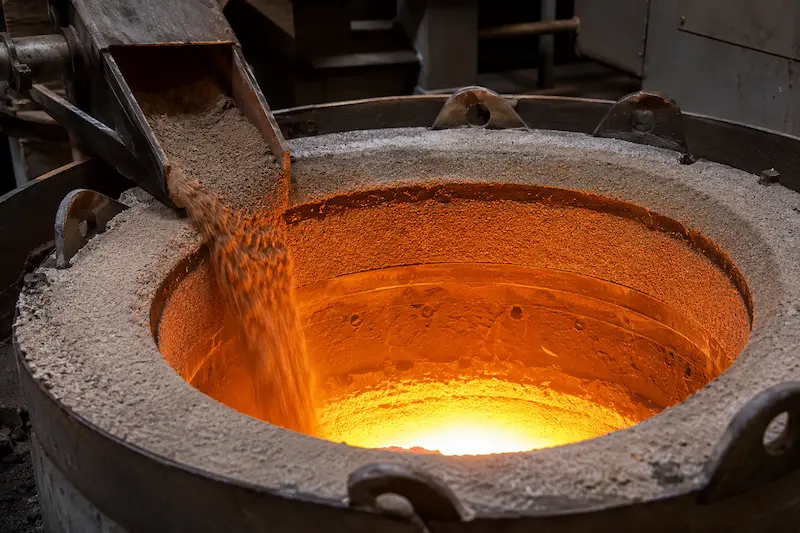
Dry Ramming Mass: A Critical Refractory Material for Induction Furnaces
Dry Ramming Mass is one of the most important refractory materials used in modern induction furnaces across steelmaking, foundry, and metallurgical industries. Due to its exceptional thermal resistance, excellent mechanical strength, and cost-effective installation process, Dry Ramming Mass has become the preferred lining material for many high-temperature industrial applications.
As industries continue to demand higher productivity, improved energy efficiency, and longer furnace campaign life, the importance of selecting premium-quality refractory materials becomes increasingly significant. Dry Ramming Mass plays a vital role in protecting furnace structures, maintaining operational stability, and ensuring high-quality molten metal production.
What is Dry Ramming Mass?
Dry Ramming Mass is a granular refractory material that is installed by compacting or ramming it into place within an induction furnace lining. Unlike conventional castable refractories, Dry Ramming Mass does not require water during installation. The material is carefully compacted around a former and then sintered during furnace operation to form a durable refractory lining.
The composition of Dry Ramming Mass varies depending on the application. Common formulations include silica-based, alumina-based, and magnesia-based refractory materials, each designed to withstand specific operating conditions and molten metal chemistries.
Importance of Dry Ramming Mass in Induction Furnaces
Induction furnaces operate under extreme thermal and chemical conditions. The refractory lining is continuously exposed to molten metal, thermal cycling, slag attack, and mechanical stress. A high-quality Dry Ramming Mass lining provides essential protection against these challenges.
Without an effective refractory lining, furnace performance may decline rapidly, leading to increased maintenance costs, reduced production efficiency, and potential safety hazards.
Major Benefits of Dry Ramming Mass
- Excellent resistance to high temperatures.
- Superior thermal shock resistance.
- High mechanical strength.
- Reduced heat loss and energy consumption.
- Longer furnace campaign life.
- Easy and cost-effective installation.
- Improved operational safety.
- Reduced maintenance downtime.
These advantages make Dry Ramming Mass one of the most economical and efficient refractory solutions for induction furnace operations.
Types of Dry Ramming Mass
Silica Dry Ramming Mass
Silica-based Dry Ramming Mass is the most commonly used lining material for induction furnaces melting cast iron and steel. It offers excellent thermal stability and resistance to thermal shock while maintaining cost-effectiveness.
Alumina Dry Ramming Mass
Alumina-based products provide enhanced resistance to certain slag chemistries and are often used in specialized metallurgical applications.
Magnesia Dry Ramming Mass
Magnesia-based linings are suitable for highly basic operating environments and applications involving aggressive slags.
Applications of Dry Ramming Mass
Dry Ramming Mass is widely used across various industrial sectors:
- Steel melting induction furnaces.
- Cast iron foundries.
- Non-ferrous metal melting operations.
- Ferroalloy production facilities.
- Metal recycling plants.
- Metallurgical processing units.
Its versatility and durability make it an essential refractory material for modern thermal processing operations.
Key Properties of High-Quality Dry Ramming Mass
Selecting the right Dry Ramming Mass is critical for achieving maximum furnace performance. High-quality products should possess:
- Consistent particle size distribution.
- Low impurity content.
- Excellent sintering characteristics.
- High refractoriness.
- Strong resistance to slag penetration.
- Superior thermal shock resistance.
- Long operational lifespan.
Inferior refractory materials may lead to premature lining failure, increased energy consumption, and costly production interruptions.
Installation Process of Dry Ramming Mass
The installation process typically involves preparing the furnace shell, positioning a central former, placing the Dry Ramming Mass in layers, and compacting each layer thoroughly. Proper installation is essential to achieving optimal lining density and long service life.
After installation, the lining undergoes a controlled sintering process during furnace startup. This stage develops the mechanical strength required for long-term operation.
Challenges Faced by Furnace Operators
Despite its numerous advantages, furnace operators must address several factors to maximize lining performance:
- Proper installation techniques.
- Controlled furnace startup procedures.
- Appropriate slag management.
- Regular lining inspections.
- Selection of suitable refractory grades.
Failure to follow best practices can significantly reduce lining life and increase operating costs.
Azarshid Pars Refractory Products for Industrial Furnaces
Azarshid Pars Refractory Products supplies high-quality refractory solutions for steelmaking, foundry, and metallurgical industries. The company manufactures refractory products designed to meet the demanding requirements of induction furnaces and other high-temperature applications.
Using premium raw materials and advanced manufacturing technologies, Azarshid Pars provides refractory products that deliver exceptional durability, thermal stability, and operational reliability.
Industrial customers can benefit from expert technical consultation and customized refractory solutions tailored to their production requirements.
For consultation, product selection, pricing information, and purchasing inquiries, contact:
Future Trends in Refractory Technology
The refractory industry continues to evolve with innovations focused on increasing furnace efficiency, reducing environmental impact, and extending lining service life. Advanced Dry Ramming Mass formulations are being developed to offer improved resistance to thermal cycling, slag attack, and mechanical wear.
As steelmaking and foundry operations become increasingly competitive, the demand for high-performance refractory materials will continue to grow.
Conclusion
Dry Ramming Mass remains one of the most important refractory materials used in induction furnace operations. Its ability to withstand extreme temperatures, resist chemical attack, and provide long service life makes it indispensable for modern steelmaking and foundry industries.
Choosing premium-quality Dry Ramming Mass from trusted manufacturers such as Azarshid Pars Refractory Products helps improve furnace performance, reduce maintenance costs, and maximize production efficiency. With proper installation and operation, Dry Ramming Mass can significantly contribute to long-term industrial success.