
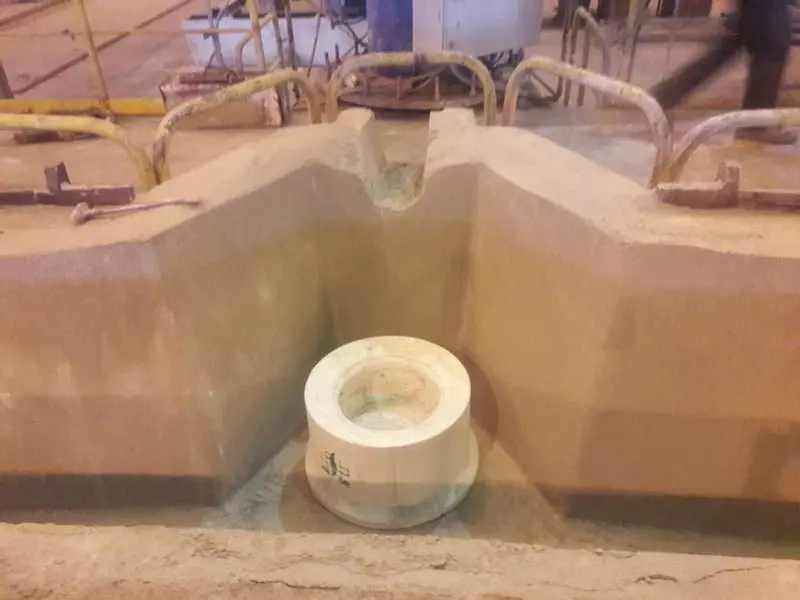
A Practical Guide for Steel Plants and Continuous Casting Lines
In continuous steel casting operations, the tundish plays a critical role in controlling molten steel flow and maintaining product quality. One of the most important components affecting tundish performance is the tundish dry ramming mass, which acts as the working lining directly exposed to molten steel.
Selecting an unsuitable dry ramming mass can lead to increased refractory consumption, steel contamination, frequent downtime, and higher operational costs. Therefore, understanding how to properly choose a tundish dry ramming mass is essential for steel manufacturers, metallurgical engineers, and procurement managers.
This article provides a comprehensive and practical guide to selecting the right tundish dry ramming mass based on technical, operational, and economic considerations.
What Is Tundish Dry Ramming Mass?
Tundish dry ramming mass is an unshaped refractory material installed in the tundish without the addition of water or binders. It is compacted in dry form and gains strength after preheating.
Key advantages include:
Shorter tundish preparation time
Reduced risk of moisture-related cracking
Easy removal after casting
Improved operational efficiency
Why Is Proper Selection Important?
Choosing the right tundish dry ramming mass directly affects:
Tundish service life
Steel cleanliness and quality
Thermal insulation performance
Refractory consumption per heat
Maintenance and downtime costs
High-quality dry ramming masses supplied by reliable manufacturers such as Azarshid Pars Refractories Products significantly reduce operational risks.
Key Criteria for Selecting Tundish Dry Ramming Mass
1. Steel Grade and Chemical Composition
Different steel grades (carbon steel, low-alloy, alloy steel) require different refractory characteristics. The selected dry ramming mass must:
Be chemically stable against molten steel
Prevent inclusion formation
Resist interaction with active elements such as Mn, Si, and Al
2. Operating Temperature and Thermal Shock Resistance
Tundish linings are exposed to temperatures above 1600°C. A suitable dry ramming mass must offer:
High refractoriness
Excellent resistance to thermal shock
Structural stability during preheating and casting
3. Raw Material Composition
Dry ramming masses are commonly formulated using:
Alumina-based materials
Magnesia-based materials
Special additives for erosion and slag resistance
The composition should match the casting conditions and slag chemistry.
4. Installation Method and Plant Conditions
Selection should consider:
Manual or mechanical ramming
Available installation equipment
Time constraints for tundish preparation
Easy-to-install materials reduce labor errors and improve consistency.
5. Easy Removal and Tundish Protection
A good tundish dry ramming mass should:
Be easily removed after casting
Avoid damaging the permanent lining
Reduce repair and relining costs
Common Mistakes in Selecting Tundish Dry Ramming Mass
One of the most common mistakes is choosing materials based solely on price. Low initial cost often results in:
Higher consumption rates
Reduced tundish lifetime
Increased production interruptions
Technical performance and long-term cost efficiency should always be the priority.
You can contact the experts at Azarshid Pars for consultation.
Why Choose Azarshid Pars Refractories Products?
Azarshid Pars Refractories Products manufactures high-quality tundish dry ramming masses tailored to real steelmaking conditions.
Key advantages include:
Consistent and controlled raw materials
Technical consultation before purchase
Customized solutions for different casting lines
Reliable quality and technical support
For professional guidance and optimal performance, consulting Azarshid Pars experts is strongly recommended.
If you are looking to buy tundish dry ramming mass or need expert advice to select the most suitable product for your casting line, contact Azarshid Pars Refractories Products today. Proper selection ensures higher efficiency, better steel quality, and reduced operational costs.
Conclusion
Choosing the right tundish dry ramming mass is a strategic decision in continuous casting operations. By considering steel grade, temperature, composition, installation method, and performance requirements—and by working with trusted suppliers such as Azarshid Pars Refractories Products—steel plants can achieve higher productivity and long-term cost savings.