
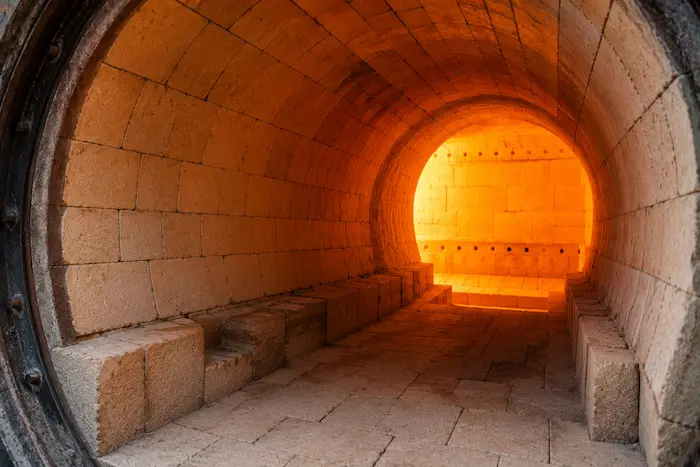
What Is Refractory Lining? A Complete Guide to Choosing the Best Furnace Lining
If your goal is to improve furnace efficiency, reduce maintenance costs, and extend equipment service life, selecting the right refractory lining is one of the most important decisions you can make. A refractory lining is far more than a protective layer inside a furnace—it is a critical engineering component that shields industrial equipment from extreme temperatures, thermal shock, mechanical wear, and chemical attack. Choosing the wrong lining can result in premature failure, excessive energy consumption, expensive repairs, and unplanned production shutdowns.
Industries such as steel manufacturing, foundries, cement production, petrochemical processing, glass manufacturing, and non-ferrous metal production all rely heavily on high-performance refractory linings. Because operating conditions vary significantly between industries, selecting the correct refractory solution requires careful evaluation of temperature, furnace design, slag chemistry, production cycles, and mechanical loading.
This comprehensive guide explains what refractory lining is, explores the different types available, discusses the key factors to consider before purchasing, and provides practical recommendations that help industrial buyers make informed decisions.
What Is Refractory Lining?
A refractory lining is an engineered layer of heat-resistant materials installed inside furnaces, kilns, reactors, ladles, incinerators, and other high-temperature processing equipment. Its primary purpose is to protect the steel shell and structural components from excessive heat while maintaining thermal efficiency and resisting chemical corrosion.
Without an effective refractory lining, industrial furnaces would rapidly lose heat, suffer structural damage, and become unsafe to operate. Modern refractory systems are therefore essential for maintaining continuous production while reducing energy losses.
Depending on the application, refractory linings may be constructed from high alumina bricks, fire clay bricks, castable refractories, dry ramming masses, insulating refractories, or monolithic refractory materials.
Why Is Refractory Lining So Important?
Many industrial failures originate not from the furnace itself but from poorly selected or improperly installed refractory materials. Since the refractory lining operates under constant thermal and mechanical stress, even minor design mistakes can significantly reduce furnace performance.
An optimized refractory lining provides far more than heat resistance. It improves energy efficiency, extends maintenance intervals, enhances operational safety, and contributes directly to lower production costs.
Major Benefits of High-Quality Refractory Lining
- Longer furnace service life
- Reduced heat loss and improved thermal efficiency
- Lower maintenance and repair costs
- Reduced production downtime
- Improved operational safety
- Better process stability and product quality
What Materials Are Used in Refractory Linings?
The ideal refractory material depends entirely on furnace operating conditions. Factors such as maximum temperature, chemical exposure, abrasion, thermal cycling, and furnace atmosphere determine which material performs best.
Common Refractory Lining Materials
- High Alumina Refractory Bricks
- Fire Clay Bricks
- Castable Refractories
- Dry Ramming Mass
- Silica Refractories
- Magnesia Refractories
- Insulating Refractory Materials
Each material offers distinct advantages depending on the application. For example, high alumina refractories provide outstanding resistance to high temperatures and slag attack, while castable refractories offer seamless installation for complex furnace geometries.
For a deeper understanding of refractory material selection, we recommend reading our related articles:
Types of Refractory Lining
Industrial refractory linings are generally classified according to their installation method and structural design.
Brick Refractory Lining
Brick linings consist of shaped refractory bricks installed using specialized refractory mortars. This traditional system offers excellent mechanical strength and remains widely used in large industrial furnaces.
Castable Refractory Lining
Castable linings are formed by pouring refractory concrete into molds or directly into the furnace structure. After curing and drying, they create a seamless monolithic lining that minimizes joints and improves thermal efficiency.
Dry Ramming Lining
Dry ramming materials are commonly used in induction furnaces. They are compacted into place and sintered during furnace operation, producing a dense lining capable of withstanding repeated thermal cycling and molten metal exposure.
Key Factors When Choosing the Best Refractory Lining
Selecting the right refractory lining should never be based solely on product price. Every industrial furnace operates under unique conditions, and the most suitable refractory solution is the one specifically engineered for those conditions. A well-designed lining improves furnace efficiency, extends service life, and significantly reduces maintenance costs throughout the equipment’s lifecycle.
Before selecting a refractory lining, engineers typically evaluate several technical parameters to ensure the material will perform reliably under actual operating conditions.
1. Maximum Operating Temperature
The first factor to evaluate is the furnace’s maximum operating temperature. Every refractory material has a defined temperature limit, and exceeding that limit can lead to structural failure, excessive deformation, and premature replacement.
For example, steelmaking furnaces operating above 1,600°C generally require high alumina or magnesia-based refractory materials, while lower-temperature applications may perform efficiently with fire clay refractories.
2. Thermal Shock Resistance
Industrial furnaces often experience repeated heating and cooling cycles. These rapid temperature changes create thermal stress that can cause cracking if the refractory material lacks adequate thermal shock resistance.
High thermal shock resistance is especially important in induction furnaces, foundries, and batch production systems where frequent temperature fluctuations occur.
3. Mechanical Wear Resistance
Many industrial processes expose refractory linings to continuous abrasion from raw materials, molten metals, or moving particles. Cement plants, rotary kilns, and material handling systems require refractory products capable of resisting severe mechanical wear.
Selecting abrasion-resistant materials helps maintain lining integrity while extending maintenance intervals.
4. Chemical Resistance
Slag, molten metal, combustion gases, and chemical vapors can gradually attack refractory materials. The chemical composition of the refractory lining must therefore be compatible with the operating environment.
In steelmaking applications, for example, refractory materials must be carefully selected according to the acidic or basic nature of the slag to prevent accelerated corrosion.
What Causes Refractory Lining Failure?
Even premium refractory materials can fail prematurely if they are improperly selected, installed, or maintained. Understanding the most common failure mechanisms helps industrial operators improve furnace reliability and reduce downtime.
Common Causes of Failure
- Incorrect refractory material selection
- Poor installation practices
- Improper drying and heat-up procedures
- Repeated thermal shock
- Chemical attack from slag or process gases
- Mechanical abrasion
- Operating beyond design specifications
In many industrial investigations, the root cause of refractory failure is not poor material quality but rather incorrect application or installation. This highlights the importance of working with an experienced refractory manufacturer capable of providing engineering support throughout the project.
Comparing Different Types of Refractory Linings
Brick Refractory Lining
- Excellent mechanical strength
- Easy replacement of damaged sections
- Ideal for large industrial furnaces
- Requires skilled installation
Castable Refractory Lining
- Seamless monolithic construction
- Reduced heat loss
- Suitable for complex furnace geometries
- Excellent structural integrity
Dry Ramming Lining
- Preferred for induction furnaces
- Outstanding thermal shock resistance
- High density after sintering
- Long operational service life
If you would like to explore these materials in greater detail, we recommend reading our article: “Castable Refractory vs. Refractory Brick: Which One Reduces Furnace Costs?“
How to Select the Right Refractory Lining
Choosing the correct refractory lining requires a complete evaluation of furnace operating conditions rather than relying on general recommendations or previous purchasing experience.
Selection Checklist
- Maximum operating temperature
- Heating and cooling frequency
- Slag composition
- Mechanical abrasion level
- Furnace atmosphere
- Expected service life
- Maintenance schedule
- Downtime costs
Considering these factors together allows engineers to optimize both furnace performance and total lifecycle cost.
A Practical Industrial Example
Imagine a foundry selecting a low-cost refractory lining that lacks sufficient thermal shock resistance. Although the initial purchase price appears attractive, repeated heating and cooling cycles soon generate cracks throughout the lining.
The result is unplanned shutdowns, emergency maintenance, increased energy consumption, and expensive replacement work. In contrast, selecting a technically appropriate refractory lining with proper engineering consultation significantly increases service life while reducing the total cost of ownership.
Why Choosing the Right Refractory Manufacturer Matters
Selecting the right refractory lining is only part of the equation. The quality, consistency, and technical expertise of the manufacturer play an equally important role in furnace performance and long-term operating costs.
A professional refractory manufacturer does more than simply supply products. Experienced engineers evaluate furnace operating conditions, production processes, slag chemistry, thermal cycles, and mechanical stresses before recommending the most suitable refractory solution.
This engineering-driven approach helps industrial facilities avoid premature lining failures while maximizing equipment reliability and productivity.
Characteristics of a Reliable Refractory Manufacturer
- Consistent manufacturing quality
- Strict quality control throughout production
- Complete technical documentation and data sheets
- Application-specific engineering consultation
- Reliable production capacity
- Technical support before and after installation
- Long-term partnership with industrial customers
For a more detailed guide on supplier evaluation, read our article: “Characteristics of a Reliable Alumina Refractory Supplier”.
How the Right Refractory Lining Reduces Operating Costs
Many purchasing decisions focus primarily on initial material cost. However, experienced plant managers understand that the true cost of a refractory lining is determined by its total lifecycle performance rather than its purchase price.
A high-quality refractory lining can significantly reduce maintenance frequency, minimize unexpected shutdowns, improve thermal efficiency, and extend furnace campaign life. These benefits often generate savings that far exceed the initial investment.
For example, replacing a low-quality lining twice within two years can cost considerably more than installing a premium refractory lining that performs reliably throughout the same period.
Economic Benefits of Proper Refractory Selection
- Lower maintenance costs
- Reduced energy consumption
- Longer furnace campaign life
- Improved production efficiency
- Reduced emergency shutdowns
- Higher equipment reliability
- Lower total cost of ownership
Different Industries Require Different Refractory Solutions
There is no universal refractory lining suitable for every industrial application. Each industry presents unique operating conditions that require specialized refractory materials.
Steel Industry
Steelmaking furnaces demand refractory materials capable of withstanding extremely high temperatures, aggressive slag chemistry, and severe thermal shock. High alumina, magnesia, and dry ramming materials are commonly used in these environments.
Cement Industry
Rotary kilns require excellent abrasion resistance, thermal stability, and long service life due to continuous exposure to raw materials and high-temperature processing.
Foundries
Foundries typically experience frequent heating and cooling cycles, making thermal shock resistance one of the most critical selection criteria for refractory linings.
Petrochemical Industry
Petrochemical plants often require refractory materials capable of resisting high temperatures as well as corrosive gases and chemical attack.
Why Choose Azarshid Pars Refractory Products?
Azarshid Pars Refractory Products manufactures high-quality alumina-based and silica-based refractory products designed for demanding industrial applications.
With extensive industry experience and a strong commitment to engineering excellence, Azarshid Pars supports customers across the steel, foundry, cement, petrochemical, glass, and other high-temperature industries.
Rather than recommending standard products, our specialists evaluate each customer’s operating conditions to provide customized refractory solutions that maximize furnace performance and reduce lifecycle costs.
Advantages of Working with Azarshid Pars
- Premium alumina and silica refractory products
- Application-based engineering consultation
- Strict manufacturing quality control
- Reliable production capacity
- Professional technical support
- Customized refractory solutions for industrial furnaces
Conclusion
A refractory lining is one of the most important components of every industrial furnace. The right refractory solution protects equipment, improves energy efficiency, extends service life, and significantly reduces maintenance costs.
Choosing refractory materials should never be based solely on initial purchase price. Operating temperature, chemical exposure, thermal cycling, mechanical wear, installation quality, and manufacturer expertise all contribute to long-term performance.
Working with an experienced refractory manufacturer ensures that every refractory solution is optimized for your specific industrial application, helping maximize productivity while minimizing operational risks.
Contact Azarshid Pars for Expert Refractory Consultation
If you are looking for reliable Refractory Lining solutions, our engineering team is ready to help you select the most suitable refractory products for your furnace and production process.
Whether you require High Alumina Refractories, Castable Refractories, Dry Ramming Mass, Silica Refractories, or customized furnace lining solutions, Azarshid Pars provides professional consultation, technical support, and high-quality products for industrial applications.
📞 +98 913 251 9644
Frequently Asked Questions (FAQ)
1. What is a refractory lining?
A refractory lining is a heat-resistant protective layer installed inside industrial furnaces and high-temperature equipment to withstand extreme temperatures, thermal shock, abrasion, and chemical attack.
2. How do I choose the best refractory lining?
The best refractory lining depends on operating temperature, furnace design, thermal cycling, slag chemistry, abrasion levels, and the specific industrial application.
3. What is the difference between brick and castable refractory lining?
Brick linings use shaped refractory bricks and provide excellent mechanical strength, while castable linings create a seamless monolithic structure that improves thermal efficiency and accommodates complex furnace geometries.
4. How can refractory lining service life be extended?
Proper material selection, professional installation, controlled dry-out procedures, routine inspections, and selecting products from a reliable manufacturer all contribute to longer refractory service life.
5. Why should I choose Azarshid Pars?
Azarshid Pars combines high-quality refractory manufacturing with engineering consultation, helping industrial customers select optimized refractory solutions that improve furnace performance while reducing maintenance and operating costs.